
The Rise of Droid Robotics: How Humanoid Machines Learned to Move and Manipulate
The Rise of Droid Robotics: How Humanoid Machines Learned to Move and Manipulate
For most of robotics history, machines were either bolted to a factory floor or confined to carefully mapped, obstacle-free rooms. Over the last few years, that has changed faster than almost anyone predicted. General-purpose humanoid and droid robots are now walking through warehouses, climbing stairs, opening doors, and picking up irregular objects without being explicitly programmed for each one. The shift didn't come from a single breakthrough, but from several hard problems — grip, balance, and perception — finally improving together at once.
From Rigid Arms to Dexterous Hands
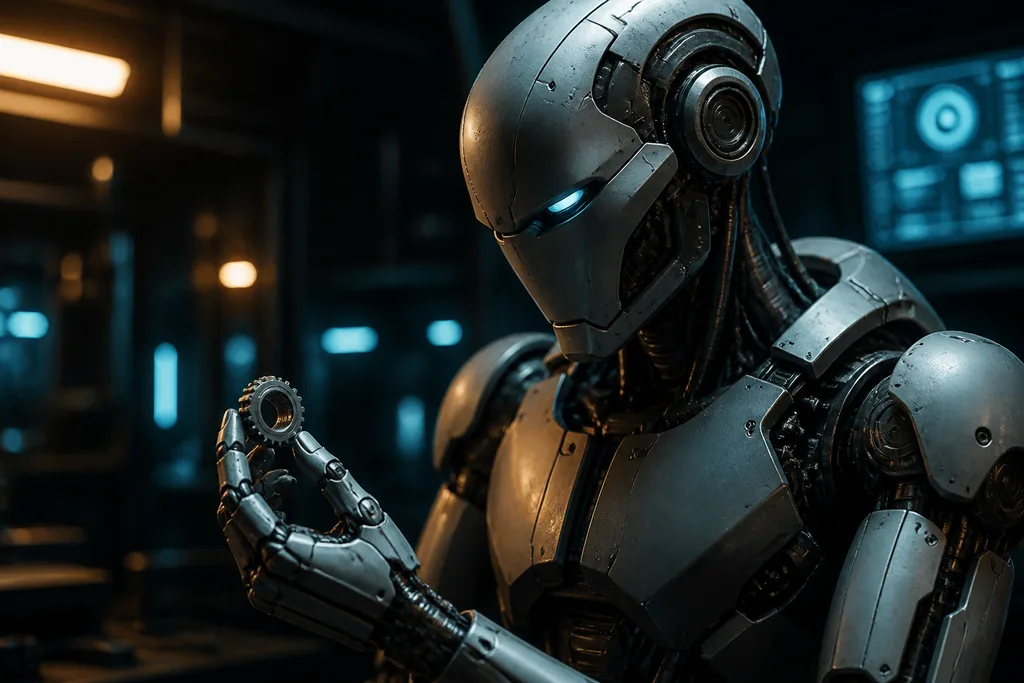
The most visible change is in the hands. Early humanoid prototypes relied on simple two- or three-finger grippers that could manage a box but fumbled anything delicate, oddly shaped, or unfamiliar. Modern droids use multi-fingered hands packed with force and tactile sensors, letting them modulate grip strength in real time — enough to hold an egg without crushing it, or to feel a component click into place during assembly. That sensitivity, paired with vision-based object recognition, is what lets a robot pick up a tool it has never seen before and use it correctly on the first try.
Walking, Running, and Falling Gracefully
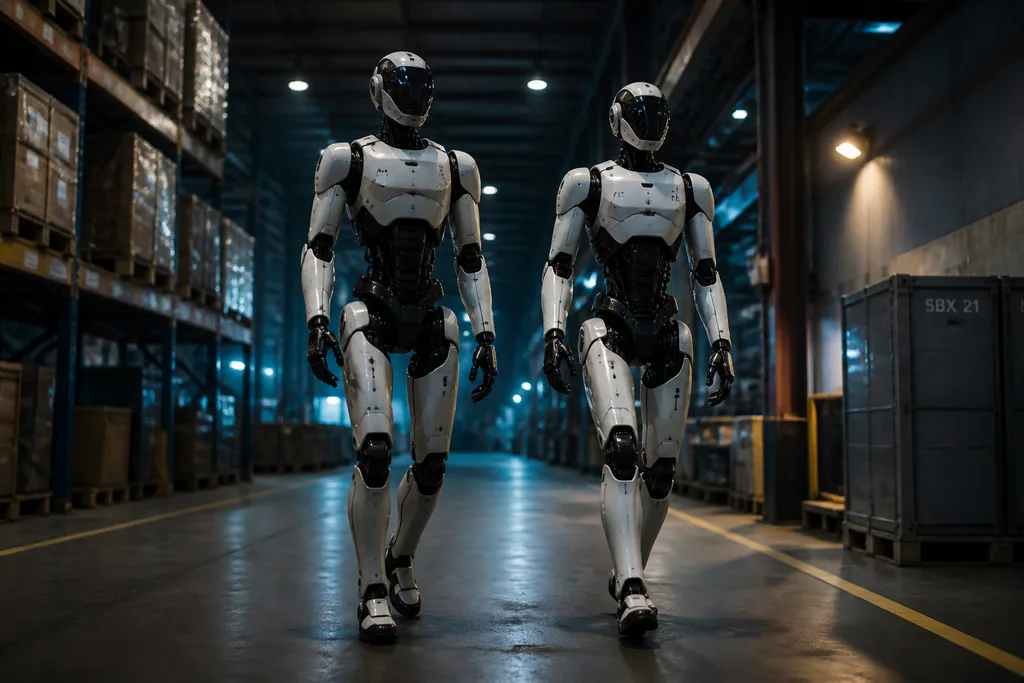
Locomotion has made a similar leap. Bipedal balance used to be achieved through rigid, pre-scripted gait patterns that broke down the moment a robot hit uneven ground or an unexpected nudge. Today's droids are largely trained in simulation using reinforcement learning, running millions of virtual steps, stumbles, and recoveries before ever touching real pavement. The result is locomotion that looks less like a machine executing a routine and more like an athlete adjusting mid-stride — recovering from a slip, sidestepping an obstacle, or carrying a load without toppling. That reliability is exactly what has allowed companies to start piloting humanoid robots in real warehouses and logistics centers rather than research labs.
The AI Brain Behind the Body
None of this would matter without the models tying perception to action. The newest generation of robotics software borrows directly from large language and vision models: a droid can be given a plain-language instruction like "clear the boxes off that pallet," break it into steps, recognize the relevant objects in its camera feed, and generate the motor commands to carry it out — all with one underlying model rather than a patchwork of hand-coded routines. Crucially, these systems increasingly generalize across tasks and environments they weren't explicitly trained on, which is the difference between a robot that performs one trick well and one that can be dropped into a new building and still be useful by the end of the day.
What Still Stands Between Demo and Daily Deployment
It's worth being clear-eyed about where the technology actually is. Battery life, repair cost, and the sheer unpredictability of cluttered real-world spaces still limit most droids to controlled pilot programs rather than open-ended deployment. Impressive demo footage doesn't always reflect how a robot performs on its hundredth attempt in a messy environment it wasn't tuned for. But the trend line is unmistakable: the gap between "robot in a lab" and "robot on a loading dock" has narrowed dramatically in just a few years, and the pace of improvement in dexterity, balance, and reasoning shows no sign of slowing down.